Regulatory Compliance 9 min read
Why Standard Landlord Insurance Policies Fail During Short Let Transitions
Standard landlord insurance excludes short-term rentals. This leaves owners at risk. Insurers often reject claims for guest damage. Specialist holiday let insurance protects your property. It covers accidental damage and provides £5 million in public liability protection.
Hannah Clarke
Guest Experience Contributor
Writes about guest communications, smooth stays, and practical ways hosts can improve the guest experience.
Switching your rental from long tenancies to short holiday stays can quietly leave your building unprotected against catastrophic damage. Standard buy to let policies exclude commercial guest activities, so insurers reject claims when owners fail to update their agreements. Recent data shows that public liability claims from visiting guests regularly exceed £2 million in costs. Clear contract adjustments ensure you keep valid coverage before your first booking arrives.
Short Let Risk Changes for Landlords
A standard landlord insurance contract covers long tenancies where tenants sign long agreements and treat the building as their permanent primary residence. Holiday lets bring high guest turnover every week, which introduces significant short let risk from unfamiliar visitors who operate appliances carelessly. Property owners who fail to examine property occupancy status run the risk of buying policies that exclude high-frequency visitors.
Insurers view holiday rentals as commercial hospitality businesses rather than standard residential agreements because multiple occupants arrive throughout the month. This rapid turnover increases accidental breakages, plumbing blockages, and theft risks that traditional residential tenancy agreements never encounter. Uninformed landlords face immediate policy voidance when insurers discover undeclared short-stay bookings after an accidental fire or water escape occurs.[1]
Coverage Gaps in Standard Policies
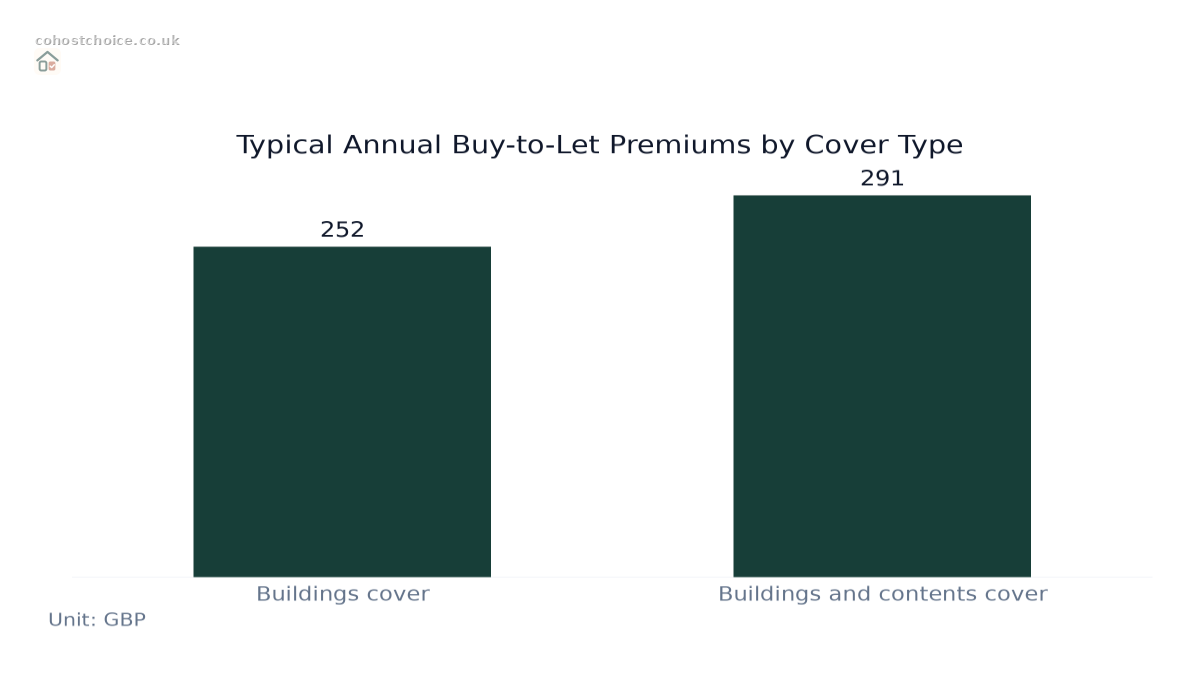
Standard buy to let insurance contracts exclude intentional damage and theft by invited paying guests. Typical annual premiums for a standard buy-to-let range from £252 for buildings cover to £291 for buildings and contents as of mid-2026.[2] Policyholders discover these harsh exclusions only after rogue guests trash fixtures during unapproved parties.
Standard policies also contain unoccupancy clauses that terminate cover when a property sits vacant for more than 30 days between tenancies. Short lets experience booking lulls during winter months, leaving owners exposed to frozen pipe claims without any active protection. Insurers deny claims because commercial gaps break basic policy terms.
Loss of rental income protection in standard contracts only applies when an insured peril prevents standard AST tenants from paying rent. Holiday rental properties lose forward platform bookings instead, which standard clauses refuse to compensate following serious property damage. Specialised policies bridge this gap by replacing lost booking revenue up to £30,000.
Typical Annual Buy-to-Let Premiums by Cover Type
Public Liability Risks for Hosts
Public liability insurance protects property owners when paying guests suffer accidental physical injuries or slip on wet floors during their stay. Standard buy to let policies limit liability cover to domestic tenants, whereas short let guests make commercial compensation claims. Public liability insurance typically ranges from £2 million to £5 million in coverage limits.[2]
Third-party claims escalate rapidly when wet floor slips or faulty stair railings cause severe physical injuries to holidaymakers. Booking platforms provide basic damage coverages, but professional short term rentals require dedicated primary insurance to defend claims properly. Courts order uninsured property owners to pay legal costs directly from personal funds when policies fail.
Public Liability Insurance Coverage Limits

Why Specialist Holiday Cover Pays
Dedicated holiday let insurance policies cover accidental damage caused by paying guests, including wine spills, broken windows, and damaged appliances. Standard landlord insurance treats short-term guest damage as commercial wear and tear, rejecting reimbursement requests immediately. Specialist policies remove this friction by including specific guest damage endorsements.
Emergency home assistance coverage ensures rapid repairs for heating failures, broken locks, or severe plumbing leaks during active guest stays. Holiday let insurance protects owners against emergency call-out fees that standard buy-to-let products consistently exclude. Rapid emergency resolution preserves guest reviews and prevents costly cancellation payouts.
Operating without specialist cover risks claim rejection, mortgage contract breaches, and personal liability for injuries or damages.[1] Commercial property insurance premiums remain fully tax-deductible as allowable operational expenses against gross rental revenue. Specialist cover keeps properties solvent during unexpected structural incidents.
Management Roles in Safety Compliance
Beyond individual owner responsibilities, the operational oversight provided by third-party experts remains critical for maintaining valid insurance policy coverage.
Professional property management companies enforce strict health and safety standards that protect insurance policy coverage across every guest stay. Agencies schedule annual gas safety checks, complete regular electrical condition reports, and draft written fire safety risk assessments. Owners who handle holiday let liabilities depend on proactive agencies to preserve their insurance policy terms.
Managing agents conduct routine safety audits to document full compliance with statutory guest safety legislation. The Health and Safety at Work Act 1974 requires owners to conduct and document a Legionella risk assessment.[1] Regular maintenance visits provide dated photographic records that satisfy insurer loss adjusters after guest disputes or damage claims arise.
Selecting Management for Insurance Compliance
When seeking professional assistance to manage short-let properties, owners should prioritize firms that actively support compliance requirements.
Owners must choose management companies that understand commercial holiday let insurance requirements and mandatory property safety certifications. Competent agencies enforce strict guest check-in rules, security deposit collections, and rapid property inspection routines between bookings. These procedures minimize accidental damage risks while documenting full compliance for insurance underwriters.
Property owners can compare like with like across published information by reviewing local operators on CoHostChoice to find certified short-let partners. Transparent comparisons show exactly how regional management teams handle keyholder duties, winter temperature monitoring, and mandatory safety tests. Selecting a vetted manager protects both building insurance validity and monthly net earnings.
UK Regulations and Insurance Documentation
Beyond internal management protocols, property owners must also navigate the complex landscape of UK regulations to ensure their insurance policy coverage remains active.
UK statutory rules require short-stay properties to maintain accurate commercial compliance documentation before welcoming paying public guests. The Regulatory Reform Fire Safety Order 2005 mandates a formal written fire risk assessment for all holiday accommodation.[1] Regional councils also enforce planning permissions and new edinburgh guest tax rules that impact commercial property operations.
Insurers demand current safety certificates, including five-year electrical reports and annual gas records, before paying out complex building claims. Underwriters treat uncertified properties as breaches of statutory duty, allowing complete denial of cover after accidental house fires occur. Property owners must file updated compliance paperwork to keep their commercial holiday policies legally valid.
Key Insurance Steps for Owners
Specialist holiday let insurance represents an essential operational safeguard rather than an optional administrative expense for short-term rental operators. Failing to notify existing insurers of short-term letting constitutes silent non-disclosure, invalidating residential policies and risking unpayable liability claims.[1] Transitioning to short stays demands commercial cover with public liability limits between £2 million and £5 million.
Review your current mortgage covenants and building insurance documents before listing your property on commercial booking channels. Contact an insurance broker to secure dedicated holiday let cover that protects against accidental damage, guest liability, and income loss. Completing this transition early protects your rental property assets against catastrophic financial losses.
Frequently Asked Questions
Can I use standard buy to let insurance for Airbnb stays?
No, standard buy to let insurance policies exclude commercial short-term letting and guest damage. Operating short lets on standard cover invalidates your policy through silent non-disclosure.
Does Airbnb AirCover replace specialist holiday let insurance?
AirCover is a host guarantee program rather than a regulated, comprehensive insurance policy. It contains significant coverage exclusions and provides no direct substitute for primary UK holiday let insurance.
Are holiday let insurance premiums tax-deductible in the UK?
Yes, insurance premiums for commercial holiday lets count as allowable business expenses against rental revenue. Property owners deduct these policy costs directly on their annual self-assessment tax returns.
Search local management companies by location and compare their service offerings and fee structures to protect your property.
Compare Professional Short Let Managers Today