Short-Let Management 9 min read
How to Prepare for Short-Let Maintenance Emergencies
Burst pipes and power cuts threaten guest safety and cause thousands in damage if left unmanaged. An effective Airbnb maintenance emergency plan reduces repair costs by 12 to 18 percent through proactive scheduling. This guide helps owners build 24-hour response protocols, set spending thresholds, and maintain compliance with UK safety regulations.
Hannah Clarke
Guest Experience Contributor
Writes about guest communications, smooth stays, and practical ways hosts can improve the guest experience.
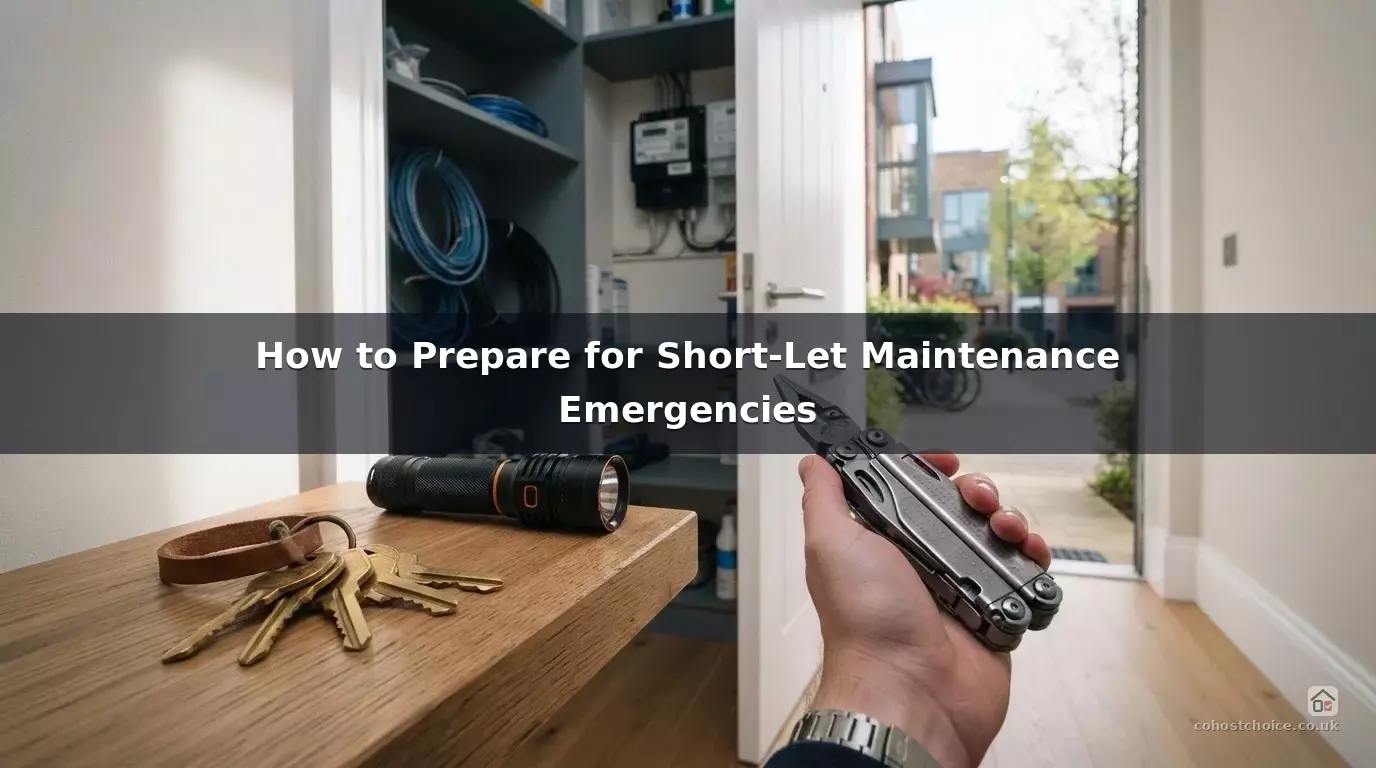
Burst pipes and power cuts can strike your property during midnight check-ins when trade suppliers remain closed. Immediate responses protect guest safety and stop thousands of pounds in structural damage before claims escalate. Most hosts rely on informal handyman numbers, but verified protocols keep your business compliant with UK safety laws. The following operational standards outline how to secure 24-hour contractor coverage, control spending limits, and maintain clear response records.
Building a 24-Hour Emergency Response Plan
Emergency maintenance plans protect guests and assets by establishing structured response workflows before critical failures occur in short let properties. Operating short-term lets requires stricter safety standards than ordinary domestic homes because incoming guests do not know the premises layout or utility isolation points. Severe water leaks from burst pipes can cost approximately $4,000 per incident including remediation and displacement expenses.[1]
A successful response strategy requires maintaining a vetted list of holiday let emergency contacts alongside an active incident log. Service agreements should define spending approval thresholds so managers can authorise urgent works without waiting for long owner reviews. Clear classification of short let emergency repairs ensures contractors arrive promptly, preventing minor pipe leaks from turning into total ceiling collapses during active stays.
Holiday Let Safety Regulations and Compliance
UK regulations classify holiday accommodation as business premises under the Regulatory Reform (Fire Safety) Order 2005.[2] Property owners hold direct legal responsibility for fire safety even when contracting third-party service agencies. Gas appliances require annual safety inspections by Gas Safe registered engineers, and electrical systems are commonly inspected every 5 years to verify your manager registration duties and protect incoming travellers.
Smoke alarms should be tested monthly and must follow BS 5839-6 standards for sleeping premises. Carbon monoxide alarms are mandatory in every room containing a gas, oil, or solid fuel-burning appliance. Escape routes must stay clear of luggage and furniture to allow safe guest evacuations.
Emergency lighting units should be serviced annually by certified technicians to verify standby battery runtimes. Furniture supplied to visitors must satisfy the Furniture and Furnishings Fire Safety Regulations 1988. Documenting these checks in a dedicated compliance log provides vital evidence during local authority safety inspections.
Emergency Response Priorities and Spending Limits
| Incident Type | Action Priority | Spending Limit | Response Target |
|---|---|---|---|
| Gas leak or smell | Immediate evacuation | Emergency cap £1,000 | Within 1 hour |
| Burst water main | Isolate stopcock now | Pre-approved £750 | Within 2 hours |
| Total power outage | Inspect consumer unit | Pre-approved £500 | Within 2 hours |
| Airbnb guest lockout | Dispatch backup keys | Pre-approved £250 | Within 1 hour |
| Boiler heating failure | Provide temp heaters | Pre-approved £500 | Within 4 hours |
| Broken entry window | Secure board-up trade | Pre-approved £400 | Within 3 hours |
Preventive Maintenance and Risk Reduction
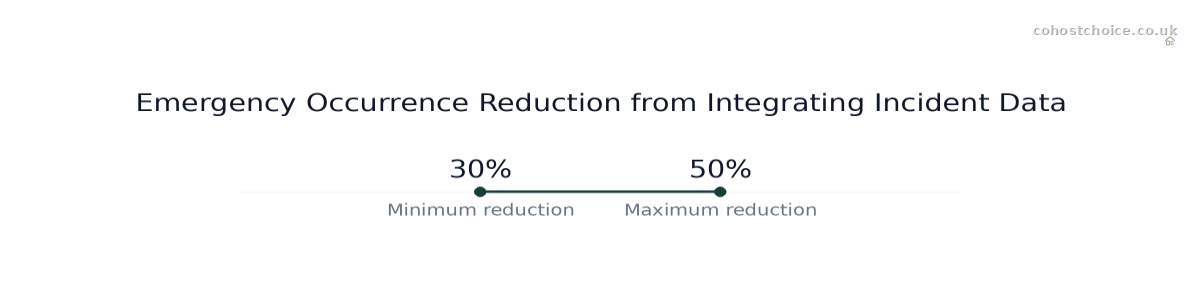
Routine inspections uncover hidden plumbing leaks and wiring faults before they trigger severe guest disruptions during peak rental seasons. Integrating incident data into planning can reduce emergency occurrences by 30-50%.[1] Regular maintenance protects real estate value and stops small equipment faults from escalating into catastrophic structural property damage.
Heating systems require annual servicing by qualified engineers to help boilers run efficiently and reduce breakdown risks during winter months. Solid fuel chimneys require sweeping at least once every year to prevent dangerous flue blockages and chimney fires. These scheduled interventions can stop heating failures from forcing expensive last-minute guest relocations.
Testing fire alarms and emergency lighting helps prevent safety failures during unexpected building evacuations. Property managers who track maintenance histories identify recurring appliance defects and replace failing units before guests arrive. Systematic maintenance inspections can reduce unexpected downtime and support reliable rental income across every season.
Emergency Occurrence Reduction from Integrating Incident Data
Financial Benefits of Proactive Maintenance
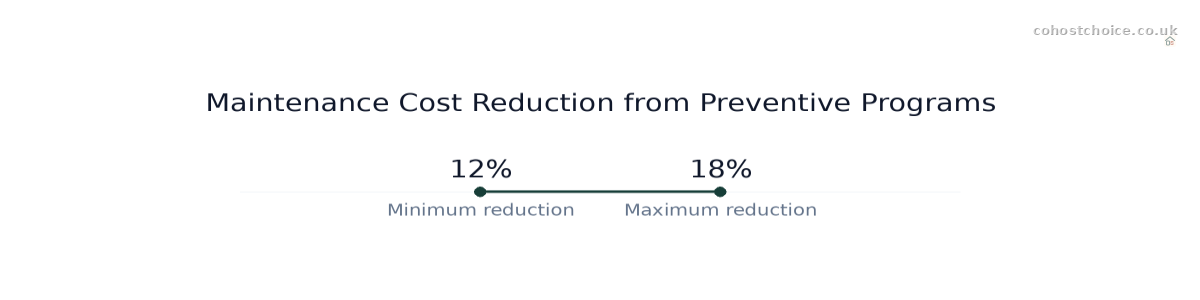
Preventive maintenance programs can reduce overall costs by 12-18% compared to reactive repair approaches.[1] Unplanned after-hours trade callouts carry premium labour surcharges and rush delivery fees for standard plumbing components. Holiday let managers who vet your turnover staff prevent guest complaints and catch minor appliance leaks before water damages flooring.
Addressing small roof leaks or dripping pipe joints protects internal plasterwork and prevents costly mould growth behind kitchen cabinets. Reactive heating repairs often double standard installation rates when engineers source parts during unsociable weekend hours. Budgeting regular service funds protects operational profit margins and shields holiday let businesses from volatile emergency repair bills every single month.
Maintenance Cost Reduction from Preventive Programs
Managing Guest Safety and Lockouts
Smart keypad locks simplify arrivals but battery drains and mechanical jams can trigger an urgent Airbnb guest lockout. Final exit doors must be operable from the inside without requiring a key to satisfy UK holiday let fire rules. Back-up physical key safes mounted externally ensure stranded guests can often regain entry when digital locks suffer electronic hardware faults unexpectedly.
Independent directories like CoHostChoice help property owners compare management companies by service area, pricing structures, and emergency coverage models. Property managers maintain dedicated call teams to coordinate local trades and resolve late-night access disputes swiftly. Rapid emergency support preserves review ratings and protects owners from substantial refund claims caused by accidental lockouts during late arrival hours.
Emergency Communication and Crisis Protocols
Clear communication calms distressed visitors during unexpected utility outages or plumbing leaks in holiday lets. Operators must provide written instructions showing stopcock and breaker locations to simplify room turnover processes and prevent panic. Messaging platforms allow hosts to transmit status updates directly to guest smartphones while contractors travel to the property for urgent repairs.
Incident response records must log the precise timestamps of guest reports, trade dispatches, and final repair completions. Multi-channel messaging via phone calls and text messages confirms whether guests understand safety instructions during serious structural incidents. Accurate communication logs provide vital evidence to resolve post-stay booking refund claims and defend formal insurance submissions against disputes.
Professional Management and Contractor Networks
Full-service management agencies provide round-the-clock telephone support to handle urgent property issues without disturbing owners during unsociable hours. Deciding on rental management support depends heavily on your proximity to the holiday let and your ability to dispatch emergency trades instantly. Established agencies retain pre-vetted networks of certified plumbers, electricians, and locksmiths who aim to provide fixed arrival windows for guests.
Beyond individual maintenance tasks, professional management provides the infrastructure needed to handle complex crises effectively.
Management agreements should define specific financial thresholds that authorise property agents to spend up to 500 pounds without prior owner consent. This operational independence can help engineers secure burst pipes, avoiding unnecessary structural damage while owners remain unavailable. Professional oversight standardises incident reporting and helps ensure holiday lets meet statutory UK accommodation safety requirements.
Key Steps for Emergency Readiness
A structured Airbnb maintenance emergency plan protects guest safety and prevents unexpected repair bills from eroding annual short-let profits. Operators who maintain pre-vetted contractor lists and establish spending thresholds resolve urgent issues without administrative delays. Integrating preventive maintenance and reviewing past repair logs consistently reduces emergency occurrences by 30 to 50 percent across managed property portfolios.
Holiday let owners should inspect their stopcocks, test smoke detectors, and audit external key safes before welcoming their next guests. Compiling emergency trade contacts and establishing clear contractor service level agreements helps provide peace of mind throughout every rental season. Proactive planning can reduce stress and protects long-term rental income.
Frequently Asked Questions
What counts as an emergency repair in a short let?
Emergency repairs include uncontrollable water leaks, complete power failures, gas leaks, broken heating in winter, and major lockouts. These incidents present immediate risks to guest safety or threaten catastrophic structural damage to the rental property.
How quickly must a host resolve a guest lockout?
Hosts may aim to resolve lockouts within 1 to 2 hours of receiving the guest notification. Installing an exterior mechanical key safe provides a physical backup when smart locks suffer battery or electronic faults.
What spending limit should I give my property manager?
Most owners establish an emergency spending threshold between £250 and £500 for urgent repairs. This authority allows managers to dispatch trades immediately for burst pipes without waiting for owner sign-off.
Are carbon monoxide detectors legally required in UK holiday lets?
Yes, regulations require carbon monoxide alarms in every room that contains a gas, oil, or solid fuel-burning appliance. Operators must test these alarms regularly to maintain compliance and verify that sounders remain clearly audible.
Can I leave emergency evacuation to the local fire service?
No, UK fire regulations state that premises managers should not rely on the fire service to evacuate guests. Your emergency plan should provide clear escape routes and signage so occupants can exit safely on their own.
Search local management companies by location and compare verified fees and 24-hour maintenance coverage. Request quotes from vetted providers to protect your holiday let property.
Compare Professional Short-Let Management Services