Short-Let Management 9 min read
Airbnb Check-In and Check-Out Checklist for Hosts
Standardized arrival and departure workflows reduce manual guest messaging time by up to 87 percent. This guide provides a comprehensive Airbnb check-in checklist for UK hosts, covering secure identity verification, property access, inventory management, and cleaning handovers. Use these protocols to protect your revenue and maintain five-star guest ratings in 2026.
Hannah Clarke
Guest Experience Contributor
Writes about guest communications, smooth stays, and practical ways hosts can improve the guest experience.
Unclear access directions and missed cleaning tasks can create guest complaints that may negatively impact your holiday let listing score.
Mastering the Short Let Arrival Checklist
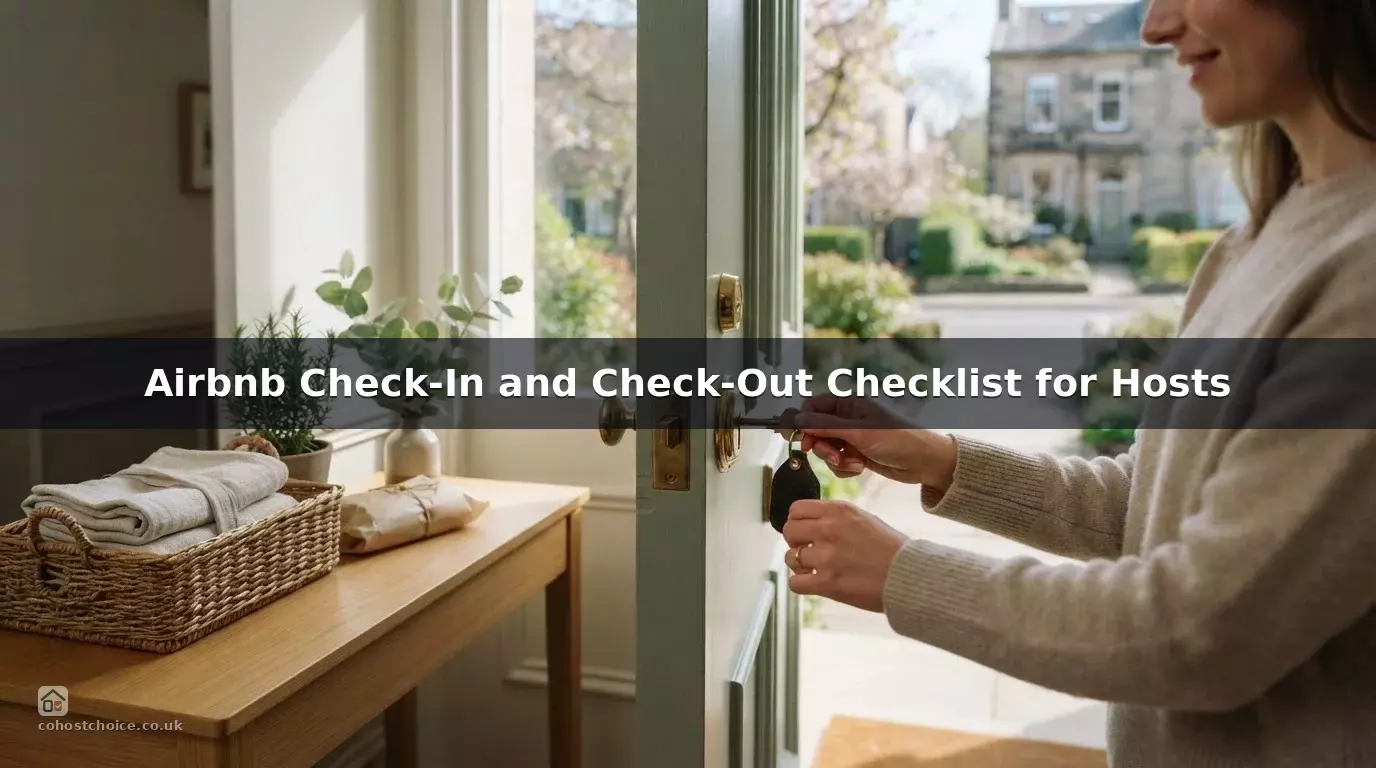
Hosts reduce arrival friction and prevent repetitive guest inquiries by sending standardized digital guidebooks containing precise property access directions three days before check-in. Detailed instructions guide incoming travellers from public transport links directly to the front entrance, while practical property guides outline heating controls and parking rules before arrival.
Clear directions can help reduce basic confusion, but proactive hosts also prepare for rental breakdowns by listing emergency shutoff valves and secondary contact details directly inside the entry packet. Written arrival materials establish clear expectations for incoming guests, and scheduled pre-arrival messages confirm estimated arrival times to prevent late-night confusion.
Revenue management also ties directly into guest satisfaction. Dynamic pricing tools typically increase revenue by 15-30% compared to fixed rates.[1] Unplanned vacancies erode profit margins, and unmanaged check-in schedules create unexpected delays for cleaning teams.
Revenue Increase from Dynamic Pricing Tools Compared to Fixed Rates

Secure Guest Access and Identity Protocols
Hosts verify the identity of the booking party using government-issued ID before releasing smart lock codes or key safe combinations.[2] Failure to confirm identity may allow unauthorized guests onto the premises, which can invalidate some standard short-term rental insurance policies and increase property damage liabilities.
Access codes may be updated automatically between stays so previous guests cannot re-enter the property after their departure. Hosts must release access codes only after all legal documents and contracts have been signed.[2] Property condition photos taken during check-in represent personal data under GDPR rules, so managers should store digital verification images in secure, encrypted cloud folders.
Standardizing the Airbnb Checkout Checklist
A structured holiday let departure procedure can help ensure guests leave on time, return physical keys, and secure all exterior windows. Clear departure instructions prompt guests to dispose of food waste, adjust thermostat settings, and place dirty towels in utility hampers before ten in the morning.
Cleaning contractors rely on punctual departures to complete room turnovers within limited afternoon windows. Professional cleaning costs range from £30-£180 depending on property size and location.[1] Property owners must avoid rental registration compliance issues by keeping thorough physical records of every departure inspection and verifying that guests vacate within agreed license terms.
Professional Cleaning Cost Range

Cleaning Handover and Inventory Management
Turnover cleaners protect asset condition by checking linens, restocking essential toiletries, and recording inventory losses after guest departures. Housekeepers capture timestamped photographs of furniture and appliances within sixty minutes of departure to establish concrete evidence of property condition.[2] Missing or broken kitchenware may require logging in centralized inventory spreadsheets to enable timely restocking before the next scheduled arrival.
Property owners can compare like with like when reviewing cleaning standards and fee structures across regional service companies using public CoHostChoice directories. Professional turnover teams restock tea, coffee, and bathroom consumables according to strict property checklists. Incomplete inventory records delay turnover schedules and lead to poor guest experiences when essential supplies run out unexpectedly.
Auditing Property Manager Turnover Standards
Property owners protect their investment by auditing management turnover procedures against agreed service standards on a quarterly schedule. Independent reviews can help confirm whether managers follow written safety routines, test smoke alarms, and verify inventory condition after every departure.
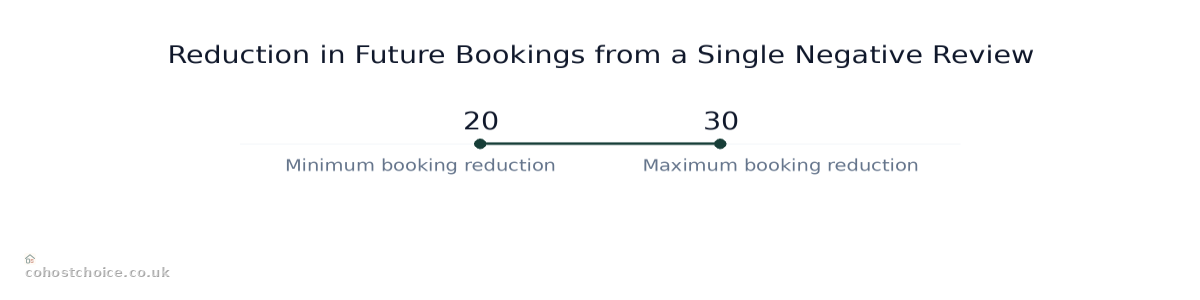
Consistent turnover quality directly protects future earnings across booking platforms. A single negative review can reduce future bookings by 20-30%.[1] Owners should hire a professional turnover cleaner or select agencies with documented turnover inspection checklists to avoid ratings drops caused by unclean bathrooms or unwashed linen.
Reduction in Future Bookings from a Single Negative Review
Escalation Protocols for Turnover Emergencies
Clear escalation protocols help turnover teams resolve urgent plumbing failures, broken access locks, and guest property damage without missing check-in deadlines. Cleaners should notify the property manager when major damage exceeds minor wear and tear limits. Out-of-hours maintenance provisions should be available to address urgent repairs when guests encounter sudden utility failures.[3]
Managers maintain approved contractor contact lists for registered plumbers, electricians, and locksmiths holding public liability insurance.[3] Contractors engaged for property repairs must hold relevant professional indemnity and public liability cover to protect the property owner from third-party claims. Unresolved maintenance disputes force last-minute booking cancellations that trigger platform penalties and damage host search ranking.
Holiday Let Departure Procedure Compliance
United Kingdom short-term lets require strict adherence to national fire safety laws, annual gas safety certifications, and electrical inspection standards. Hosts should install carbon monoxide alarms in every room containing fuel-burning appliances, and test interconnected smoke alarms according to British Standards.
Property managers may provide simple fire escape plans inside the property, ideally posted on the back of bedroom doors for guest visibility. Smoke alarms feature a typical operational lifespan of ten years, requiring routine renewal dates inside maintenance logbooks.
Compliance monitoring protects holiday home operations from local council enforcement actions. Operating without required local licenses risks heavy fines or enforcement closures. Owners verify compliance status by requesting professional property management reports that document regular safety inspections and alarm testing dates.
What to Remember
Standardized check-in and checkout checklists protect holiday let revenue, maintain five-star cleanliness standards, and help support legal safety compliance. Structured workflows can reduce manual guest messaging time by up to 87%, while timestamped photographic evidence defends hosts against damage disputes and unjust refund claims.
Property owners should review their arrival and departure checklists today, verify digital identity verification protocols, and schedule a routine audit of their manager's turnover documentation.
Frequently Asked Questions
What should an Airbnb check-in checklist include?
An arrival checklist must cover driving directions, access instructions, heating guides, and emergency shutoff locations. It should also verify identity documents and record initial property condition before the guest settles in.
How do hosts handle damage discovered during checkout?
Turnover teams photograph visible damage within sixty minutes of departure before starting cleaning work. Hosts submit timestamped photographic evidence directly through the booking platform resolution center alongside replacement invoices.
How often should hosts audit property management changeovers?
Owners should conduct quarterly audits of maintenance logs, turnover checklists, and photographic inventory reports. Regular reviews confirm that managers maintain required safety standards and test smoke detectors consistently.
What are typical short-let professional cleaning costs in the UK?
Professional cleaning costs range from £30 to £180 per turnover depending on the property size and geographical location. Larger homes or rural properties requiring off-site linen laundering sit at the upper end of that price spectrum.
Which safety records are mandatory for UK holiday lets?
UK operators are generally expected to maintain a written fire risk assessment, an annual gas safety certificate, and a valid electrical installation condition report. Properties with fuel-burning appliances should have active carbon monoxide alarms in relevant rooms.
Search local property management companies by area, compare turnover fees and service packages side by side, and request quotes with confidence.
Compare Professional Short Let Managers