Contracts and Terms 11 min read
Who Pays for Guest Damage Under a Co-Hosting Agreement?
Property owners hold the primary legal responsibility for guest damage in UK short-let properties. Co-hosting agreements delegate daily tasks but do not transfer ownership liability. Owners must secure specialist short-let insurance with £2m to £5m in public liability coverage to protect their assets when booking channel guarantees fail to pay.
Broken furniture and flooded bathrooms create immediate panic when short-term guests leave your UK property damaged. Most property owners assume their co-host or booking channel will automatically reimburse these expensive repair costs. Airbnb platform access does not establish a legal contract between hosts and co-hosts, leaving unresolved claims directly on your shoulders. A detailed look at contract terms, dedicated insurance policies, and legal frameworks reveals who actually covers the bill.
Short-Let Insurance Policies That Cover Guest Damage
Specialist short-let insurance provides essential protection against guest damage liability because standard residential home policies strictly exclude paying visitors [1]. Mainstream UK insurers treat short-term rentals as commercial enterprises rather than standard residential occupancies. This exclusion leaves unprotected landlords facing significant out-of-pocket costs after major property damage incidents.
Short-term letting alters the operational risk profile of your investment, which makes ordinary buy-to-let cover completely ineffective for guest damage [1]. Dedicated holiday let policies combine accidental breakage, malicious damage, and comprehensive public liability cover. Owners must follow strict compliance for property owners to keep their specialist insurance terms valid.
Accidental damage cover protects fixtures, expensive appliances, and soft furnishings against sudden spills or breakages caused by careless visitors. AirCover provides basic platform assistance, but it is not an insurance policy and fails mortgage lender standards . Comprehensive specialist cover shields the owner when booking channel guarantees fail to pay.
Key Takeaways
- Property owners retain default legal liability for guest damage unless a written agreement transfers specific duties [2].
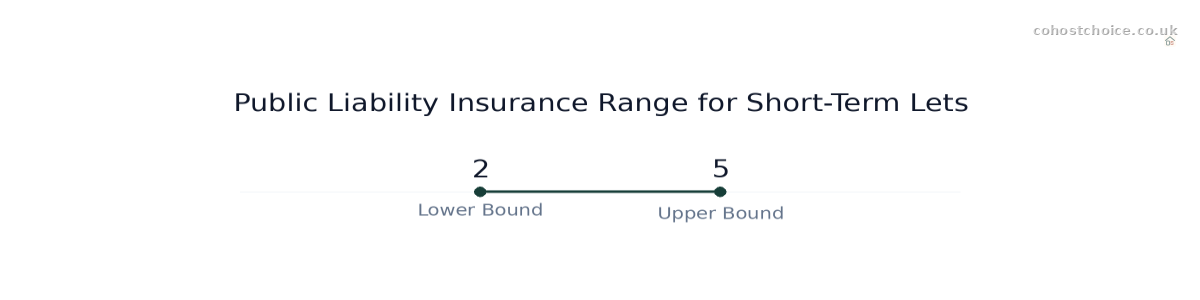
- Public liability insurance for UK short-term rentals typically provides cover ranging from £2m to £5m [1].
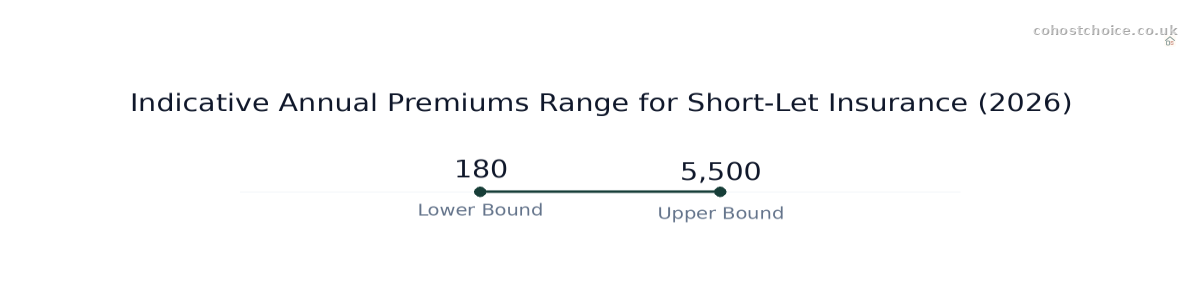
- Indicative annual premiums for dedicated UK short-let insurance range between £180 and over £5,500 .
- Standard home insurance excludes commercial activity, while AirCover fails to meet mortgage lender standards .
- Written co-hosting contracts must define damage claim processes, deposit management, and strict reporting timelines .
Default Liability for Guest Damage in a Co-Hosting Agreement
Property owners carry default legal responsibility for building structures and contents because co-hosts operate merely as appointed service managers. A co-hosting agreement delegates daily tasks like messaging guests and coordinating cleanings, but ownership duties remain with the titleholder [2]. Public liability insurance for short-term lets typically ranges from £2m to £5m to mitigate risks associated with guest damage liability.
Negligence creates an important operational distinction between ordinary guest destruction and professional co-host failure. If a co-host forgets to lock front doors or ignores leaking pipes, the owner can pursue contractual breach remedies [3]. However, unpredictable guest vandalism remains an owner risk unless specific indemnity wording forces the manager to absorb those financial losses.
Public Liability Insurance Range for Short-Term Lets
Indicative Annual Premiums for Short-Let Insurance in 2026
Annual premiums for UK short-let insurance range widely based on building location, guest volume, and chosen coverage limits. Indicative annual premiums for short-let insurance in 2026 range from £180 to over £5,500 across the market [1]. High-value London townhouses with luxury interiors command the top pricing tiers, whereas rural cottages pay far less.
Underwriters evaluate claims history, guest screening procedures, and whether the property uses accredited management services. Landlords examining management proposals must focus on avoiding problematic short let contracts that fail to allocate repair reporting obligations clearly. High deductibles lower annual premiums, but they force owners to pay smaller repair bills directly.
Indicative Annual Premiums Range for Short-Let Insurance (2026)
Handling a Guest Damage Claim Under a Co-Hosting Agreement
- Document Property Damage
Inspect the property immediately after checkout. Take high-resolution photos and date-stamped video evidence of broken items, stained carpets, or damaged fixtures. - Notify the Co-Host
Send formal written notice to your co-host through recorded messaging channels. Request all communication logs and check-in inventory sheets from the relevant booking. - Review Liability Clauses
Examine your co-hosting contract to confirm who manages platform dispute resolution. Check specific deadlines for lodging formal reimbursement requests with booking channels. - Obtain Repair Quotes
Collect two independent written estimates from certified UK tradespeople. Ensure the quotes separate labour costs from replacement material expenses clearly. - Submit the Claim
File the claim through booking channels or your specialist short-let insurance provider. Provide original purchase receipts alongside recent contractor quotes to prove asset value. - Record Claim Outcome
Log the final settlement payout in your property management software. Reconcile any co-host deductible contributions against monthly management fee disbursements.
Liability and Indemnity Clauses in a Co-Hosting Agreement
Liability clauses define the precise boundary where a co-host becomes financially responsible for guest damage. Commercial contracts use limitation of liability clauses to cap overall financial exposure using fixed monetary amounts or fee multiples [3]. Clear indemnity wording requires co-hosts to reimburse landlords if staff misconduct or missed inspections directly causes property loss.
Waivers of subrogation prevent your insurance provider from suing the co-host to recover claim payouts . Notice periods also dictate how quickly managers must report guest incidents before losing right of recourse. Contracts without explicit liability caps leave businesses open to unpredictable financial claims that exceed contract values .
Damage Deposits and Security Deposits in Short-Lets
Security deposits provide immediate financial reserves for repairing minor guest breakages without lodging formal insurance claims. Short-let hosts typically set deposits between £150 and £500 depending on property size and inventory value. Booking platforms often collect pre-authorisations rather than holding physical cash balances in designated bank accounts.
Owners must calculate total policy costs when balancing higher guest deposits against potential booking conversion drops. UK holiday let deposits fall outside statutory tenancy deposit protection schemes that apply to standard assured shorthold tenancies. However, managers handling direct client deposits must follow strict client money regulations to ensure financial safety .
Pre-authorisation holds expire automatically after specified periods if hosts fail to file formal claims. Platform resolution processes take weeks to conclude when guests contest damage findings. Unrecovered losses below policy deductibles ultimately remain the property owner's financial responsibility.
Comparing Co-Hosting Providers Before You Sign
Property owners can compare like with like by examining how different UK management companies handle guest damage. Clear contracts outline whether agents submit platform claims or expect landlords to manage insurer discussions. CoHostChoice provides a straightforward way to research genuine companies and inspect published information across different service areas.
The platform operates as an independent directory not affiliated with any specific agency, helping owners enquire with confidence. Reviewing fee schedules alongside liability clauses shows how agencies manage short-let properties under standard agreements. Many operational rules are not publicly available until owners request bespoke terms from shortlisted management agencies.
Owners often search listings by region and compare complete service offerings before committing to terms. Requesting a quote directly from verified providers allows for clear breakdowns of insurance requirements and damage administration charges. Thoroughly checking contract terms early prevents unexpected disputes over repair bills later.
Legal Limits on Guest Damage Liability in the UK
Statutory legislation restricts how commercial contracts allocate liability between property owners and professional management agencies. The Unfair Contract Terms Act 1977 prevents companies from excluding liability for personal injury or death resulting from negligence . Furthermore, liability clauses must satisfy statutory reasonableness tests to remain legally enforceable in English courts .
Consumer protection rules prevent unfair terms that impose disproportionate financial burdens on parties with weaker bargaining positions . A co-hosting contract cannot override mandatory UK safety regulations, including annual gas safety checks or electrical inspections . Courts discard blanket liability waivers that attempt to shield negligent managers from direct contractual breaches.
Evidence and Timelines for Guest Damage Disputes
Speedy evidence gathering determines whether insurers and platform resolution teams approve or reject guest damage reimbursement claims. Hosts must file formal platform claims before the next guest checks in or within 14 days of departure. Digital records must include pre-stay inspection logs, checkout photos, written guest messages, and certified repair quotes.
Disputes between owners and co-hosts require structured dispute resolution processes outlined in the primary management agreement. When parties disagree over repair responsibilities, independent surveyor reports provide objective assessments of whether damage reflects fair wear and tear. Transparent communication records ensure that formal mediation or small claims proceedings resolve efficiently.
What to Remember
Property owners carry default liability for short-let guest damage unless a written contract assigns specific duties to the co-host. Specialist short-let insurance with public liability cover between £2m and £5m is necessary because standard home policies exclude commercial activity . Platform guarantees provide supplementary help, but dedicated commercial insurance safeguards your capital investment.
Review management agreements carefully to verify indemnity limits, claim submission duties, and notice requirements before signing. Request detailed contracts from multiple providers and compare their liability protections side-by-side to ensure your property remains fully protected throughout 2026.
Frequently Asked Questions
Does co-host insurance cover guest damage?
Co-hosts typically hold professional indemnity and public liability cover for their business activities. These policies protect against professional errors, but they do not cover physical property damage caused by guests. Property owners must maintain dedicated short-let building and contents insurance.
Can a co-hosting agreement transfer all liability?
A contract cannot legally transfer statutory landlord responsibilities like fire and gas safety compliance . UK law also restricts businesses from excluding negligence liability under the Unfair Contract Terms Act 1977 . Owners always retain baseline property ownership duties.
What happens if a guest refuses to pay for damage?
Platforms like Airbnb may attempt to charge guest payment methods up to $500 USD automatically. If that fails, hosts must claim through platform guarantee programmes or private short-let insurance. Unrecovered costs below insurance deductibles fall to the property owner.
Does standard buy-to-let insurance cover short-term lets?
Standard buy-to-let insurance policies exclude short-term holiday letting activities because guest turnover alters the risk profile . Operating short lets on conventional policies invalidates coverage entirely. Owners must secure specialist short-let insurance policies.
How much public liability insurance do UK short-lets need?
UK short-term rental properties typically carry between £2m and £5m in public liability insurance . This coverage protects owners if a paying guest suffers an accidental injury on site. Mortgage lenders often require this specific insurance standard.
Who files damage claims with booking channels?
The co-hosting agreement must explicitly specify whether the owner or the manager submits platform claims. Professional managers usually handle communication, photo submission, and contractor quotes. Landlords must monitor claims to ensure managers meet strict 14-day filing deadlines.
How long do hosts have to claim for guest damage?
Booking channels generally require damage submissions before the next guest arrives or within 14 days of checkout. Private insurers enforce separate notification windows ranging from 24 hours to 30 days. Missing these contract deadlines forfeits the right to reimbursement.
Search management companies by location, compare service fees, and request a quote from verified providers today.
Find and Compare Co-Hosting Providers